
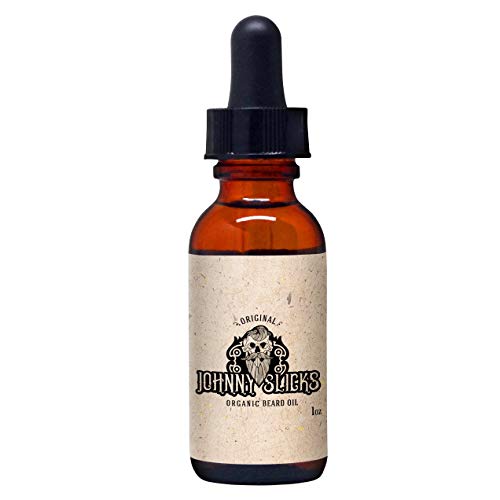
Johnny Slicks Beard Oil - Moisturizes Skin, Promotes Growth, All-Natural Ingredients - 1oz


Corylus (Hazelnut) Oil
Low RiskCorylus (hazelnut) oil is derived from the nuts of the hazel tree. It is primarily used in cosmetic and skincare products for its emollient properties, providing moisture and enhancing skin texture. The oil is rich in fatty acids and vitamins, contributing to its function as a skin conditioning agent.
Sustai Insights
Corylus (hazelnut) oil offers functional benefits as a moisturizer and skin conditioner while being biodegradable and potentially sustainably sourced. Health risks are low, with minimal concerns related to carcinogenicity, allergenic potential, or reproductive toxicity. Environmental impacts are also low, with no known bioaccumulation issues. Regulatory status shows no restrictions. Overall, the ingredient is assessed as low risk, with safe usage practices recommended and no significant alternatives noted.
Melaleuca Alternifolia (Tea Tree)
Low RiskMelaleuca alternifolia, commonly known as tea tree, is an unspecified preparation derived from the leaves of the tea tree. It is primarily used for its antiseptic properties and is found in various personal care products.
Sustai Insights
Tea tree oil offers functional benefits such as antimicrobial properties, making it effective in skincare formulations. It is considered to have low health risks, including low concerns for carcinogenicity, allergies, and reproductive toxicity. Environmental risks are minimal, with no significant pollutant or bioaccumulation potential. Regulatory bodies have noted no major advisories, and overall risk assessment remains low. For safe usage, it is recommended to use appropriate concentrations and consider alternatives like lavender or eucalyptus oil for similar benefits.
Cocos Nucifera (Coconut) Oil
Low RiskCocos Nucifera (Coconut) Oil is derived from the kernels of the coconut palm. It is primarily used in cosmetic formulations for its emollient and moisturizing properties, making it suitable for skin and hair care products.
Sustai Insights
Coconut oil serves as an effective moisturizer and emollient, promoting skin hydration and softness. It is sustainably sourced and biodegradable. Health risks are minimal, with low concerns regarding carcinogenicity, allergens, and reproductive toxicity. Environmental impact is also low, as it does not contribute significantly to pollution or bioaccumulation. Regulatory bodies have not issued restrictions on its use. Overall, coconut oil presents a low risk for health and environmental concerns, making it a safe ingredient in cosmetic products.
Argania Spinosa (Argan) Kernel Oil
Low RiskArgania spinosa (argan) kernel oil is a fixed oil extracted from the kernels of the argan tree, native to Morocco. It is commonly used in cosmetic formulations for its moisturizing properties, serving as an emollient and skin conditioner.
Sustai Insights
Argania spinosa kernel oil offers functional benefits such as effective hydration and nourishment for the skin and hair. It is sustainably sourced and biodegradable, contributing positively to environmental considerations. Health risks are low, with minimal concerns regarding carcinogenicity, allergies, or reproductive toxicity. There are no current regulatory restrictions on its use. Overall, it poses low risk, making it a suitable ingredient in cosmetic products. Safe usage practices should be maintained, and alternatives like jojoba oil may also be considered for similar benefits.
Simmondsia Chinensis (Jojoba)
Low RiskSimmondsia chinensis, commonly known as jojoba, is an oil derived from the seeds of the jojoba plant. It is commonly used in cosmetic formulations for its moisturizing properties, acting as an emollient and skin conditioning agent.
Sustai Insights
Jojoba oil offers functional benefits such as effective skin moisturization and is biodegradable, with sustainable sourcing practices. Health risks are low, with minimal concerns regarding carcinogenicity, allergies, and reproductive toxicity. Environmental impact is negligible, with no pollutant or bioaccumulation potential. Regulatory status is favorable with no significant restrictions noted. Overall, it is assessed as low risk, and safe usage practices should be maintained. Alternatives include other plant-derived oils like argan or almond oil, which may provide similar benefits.
Overview
Transform your grooming routine with Johnny Slicks Organic Beard Oil, crafted for the modern man who values both quality and sustainability. This all-natural formula is designed to soften your beard while hydrating the skin underneath, effectively reducing dryness and itch.
- Moisturizes & Reduces Itch: Enriched with Tea Tree and Jojoba oils, this beard oil hydrates and nourishes, alleviating beard itch and dandruff for a comfortable, healthy look.
- Organic Ingredients: Featuring a blend of natural oils including Argan, Coconut, and Sweet Almond, this product promotes beard growth and skin health without harmful chemicals.
- Original Woodsy Scent: Infused with notes of Amber, Teakwood, and cedar, it provides a refreshing aroma that enhances grooming routines while keeping you feeling confident.
- Easy Application: Simple to use—apply a few drops to your palm and massage into your beard for optimal softness and hydration.
- Veteran-Owned & Made in the USA: Proudly crafted in North Carolina, Johnny Slicks supports local communities and ethical practices, ensuring every bottle reflects quality and care.
Customer Reviews
Customers’ View
AI summaryCustomers appreciate the effectiveness and natural formulation of Johnny Slicks Organic Beard Oil, noting its ability to moisturize beards while alleviating dryness and itchiness. Many users highlight the pleasant woodsy scent, describing it as long-lasting and refreshing, with comments like, "It smells good, helps relieve dry itchy skin!" The texture is frequently praised for being non-greasy, leaving beards soft and manageable. Customers also value the all-natural ingredients, emphasizing their eco-friendly and health-conscious aspects. Overall, users find this product aligns well with their sustainable lifestyle, making it a reliable choice for beard care.
This product has no reviews yet.