
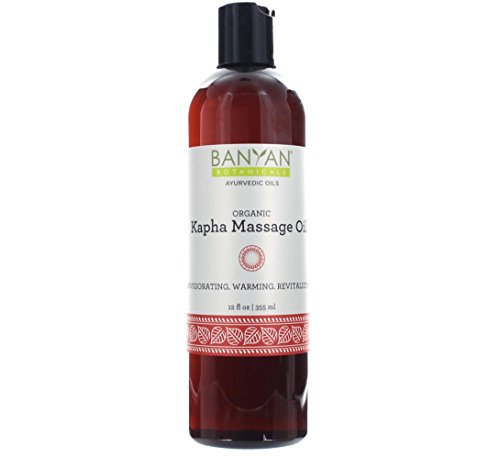
Banyan Botanicals Kapha Massage Oil - Nourishes Skin, Invigorates Mind, Non-GMO, Vegan - 12 oz


Eucalyptus Globulus (Eucalyptus) Leaf Oil
Medium RiskEucalyptus globulus leaf oil is a volatile oil derived from the leaves of the eucalyptus tree, primarily used for its aromatic properties and as a potential antimicrobial agent in various products.

Sustai Insights
Eucalyptus globulus leaf oil offers functional benefits like fragrance and potential antimicrobial properties, supporting product efficacy. However, it presents high allergenic potential and moderate irritation concerns, which may pose health risks. Environmental risks include possible pollution and bioaccumulation. Regulatory restrictions are in place regarding its use in certain products. Overall, the risk level is medium, necessitating caution in usage and consideration of alternatives like tea tree oil or peppermint oil.
Manjistha
Low RiskManjistha is a botanical ingredient derived from the root of the Rubia cordifolia plant, commonly used in traditional herbal remedies and cosmetics. It is primarily recognized for its potential skin benefits, including promoting an even skin tone and enhancing overall skin health.
Sustai Insights
Manjistha offers functional benefits such as skin tone enhancement and is recognized for its potential sustainability as a plant-derived ingredient. Health risks are low, with no significant concerns regarding carcinogenicity, allergies, or reproductive toxicity. Environmental impacts are also minimal, with no evidence of bioaccumulation or pollution. Regulatory status is favorable, with no current restrictions noted. Overall, the ingredient is assessed as low risk, suggesting safe use in products.
Helianthus Annuus (Sunflower) Seed
Low RiskHelianthus annuus (sunflower) seed is derived from the seeds of the sunflower plant and is commonly used in various cosmetic and personal care products. It serves primarily as an emollient and skin conditioning agent, providing moisture and enhancing the texture of formulations.
Sustai Insights
Helianthus annuus (sunflower) seed offers functional benefits, including skin conditioning and moisturizing properties, while being sustainably sourced and biodegradable. Health risks are minimal, with low concerns for carcinogenicity, allergies, and reproductive toxicity. Environmentally, it presents low risks of pollution or bioaccumulation. Regulatory assessments indicate no current restrictions. Overall, it is considered a low-risk ingredient, and safe usage practices should be maintained. Alternative ingredients may include other plant-based oils, but the sunflower seed oil remains a viable option.
Sesamum Indicum (Sesame) Oil
Low RiskSesamum indicum (sesame) oil is derived from the seeds of the sesame plant. It is commonly used in cosmetic formulations due to its emollient properties and ability to nourish the skin. This oil is rich in fatty acids and antioxidants, contributing to its effectiveness in various skincare products.
Sustai Insights
Sesame oil offers several functional benefits, including moisturization and nourishment for the skin, along with potential antioxidant properties. It is generally regarded as safe, with low concerns regarding carcinogenicity, allergies, and reproductive toxicity. Environmental risks are minimal, and the oil is not known to be bioaccumulative. Regulatory bodies do not impose significant restrictions on its use. Overall, sesame oil poses a low risk, making it a viable ingredient in cosmetic formulations, although consumers should consider potential allergies and choose responsibly sourced products.
Rosemary
Low RiskRosemary is a material derived from the Rosmarinus officinalis plant, commonly used in various products for its aromatic properties and potential antioxidant benefits. It serves primarily as a natural preservative and fragrance component.
Sustai Insights
Rosemary offers functional benefits as a natural preservative and antioxidant, with sustainability credentials due to its biodegradability and renewable sourcing. Health risks are low, with negligible concerns regarding carcinogenicity, allergenic potential, or reproductive toxicity. Environmental risks are minimal, with no significant pollutant or bioaccumulation issues. Regulatory bodies, including the FDA, do not impose restrictions on its use. Overall, rosemary is assessed as low risk, making it a suitable ingredient in formulations.
Manjistha
Low RiskManjistha is a botanical ingredient derived from the root of the Rubia cordifolia plant, commonly used in traditional herbal remedies and cosmetics. It is primarily recognized for its potential skin benefits, including promoting an even skin tone and enhancing overall skin health.
Sustai Insights
Manjistha offers functional benefits such as skin tone enhancement and is recognized for its potential sustainability as a plant-derived ingredient. Health risks are low, with no significant concerns regarding carcinogenicity, allergies, or reproductive toxicity. Environmental impacts are also minimal, with no evidence of bioaccumulation or pollution. Regulatory status is favorable, with no current restrictions noted. Overall, the ingredient is assessed as low risk, suggesting safe use in products.
Helianthus Annuus (Sunflower) Seed
Low RiskHelianthus annuus (sunflower) seed is derived from the seeds of the sunflower plant and is commonly used in various cosmetic and personal care products. It serves primarily as an emollient and skin conditioning agent, providing moisture and enhancing the texture of formulations.
Sustai Insights
Helianthus annuus (sunflower) seed offers functional benefits, including skin conditioning and moisturizing properties, while being sustainably sourced and biodegradable. Health risks are minimal, with low concerns for carcinogenicity, allergies, and reproductive toxicity. Environmentally, it presents low risks of pollution or bioaccumulation. Regulatory assessments indicate no current restrictions. Overall, it is considered a low-risk ingredient, and safe usage practices should be maintained. Alternative ingredients may include other plant-based oils, but the sunflower seed oil remains a viable option.
Sesamum Indicum (Sesame) Oil
Low RiskSesamum indicum (sesame) oil is derived from the seeds of the sesame plant. It is commonly used in cosmetic formulations due to its emollient properties and ability to nourish the skin. This oil is rich in fatty acids and antioxidants, contributing to its effectiveness in various skincare products.
Sustai Insights
Sesame oil offers several functional benefits, including moisturization and nourishment for the skin, along with potential antioxidant properties. It is generally regarded as safe, with low concerns regarding carcinogenicity, allergies, and reproductive toxicity. Environmental risks are minimal, and the oil is not known to be bioaccumulative. Regulatory bodies do not impose significant restrictions on its use. Overall, sesame oil poses a low risk, making it a viable ingredient in cosmetic formulations, although consumers should consider potential allergies and choose responsibly sourced products.
Eucalyptus Globulus (Eucalyptus) Leaf Oil
Medium RiskEucalyptus globulus leaf oil is a volatile oil derived from the leaves of the eucalyptus tree, primarily used for its aromatic properties and as a potential antimicrobial agent in various products.
Sustai Insights
Eucalyptus globulus leaf oil offers functional benefits like fragrance and potential antimicrobial properties, supporting product efficacy. However, it presents high allergenic potential and moderate irritation concerns, which may pose health risks. Environmental risks include possible pollution and bioaccumulation. Regulatory restrictions are in place regarding its use in certain products. Overall, the risk level is medium, necessitating caution in usage and consideration of alternatives like tea tree oil or peppermint oil.
Rosemary
Low RiskRosemary is a material derived from the Rosmarinus officinalis plant, commonly used in various products for its aromatic properties and potential antioxidant benefits. It serves primarily as a natural preservative and fragrance component.
Sustai Insights
Rosemary offers functional benefits as a natural preservative and antioxidant, with sustainability credentials due to its biodegradability and renewable sourcing. Health risks are low, with negligible concerns regarding carcinogenicity, allergenic potential, or reproductive toxicity. Environmental risks are minimal, with no significant pollutant or bioaccumulation issues. Regulatory bodies, including the FDA, do not impose restrictions on its use. Overall, rosemary is assessed as low risk, making it a suitable ingredient in formulations.
Overview
Indulge in the nurturing practice of daily self-massage with Banyan Botanicals Kapha Massage Oil. This Ayurvedic blend is designed to enhance your well-being, providing warmth and revitalization for both body and mind.
- Nourishing Formula: Deeply hydrates and softens skin for a silky feel.
- Ayurvedic Herbs: Infused with traditional herbs to support overall health.
- Invigorating Blend: Promotes circulation and energizes the body.
- Mindful Ritual: Enhances focus and uplifts the spirit during self-care.
- Seasonal Comfort: Ideal for winter or anytime extra warmth is needed.
- Sustainable Sourcing: Made with USDA certified organic ingredients.
- Quality Assurance: 3rd party tested for safety and effectiveness.
Customer Reviews
Customers’ View
AI summaryCustomers generally appreciate the nourishing properties and earthy aroma of the Body Oil, making it a favorable choice for those seeking a natural self-care ritual. Many users highlight its ability to deeply hydrate and soften the skin, enhancing their overall massage experience. One customer noted, 'It applies very nicely and has a nice earthy smell to it,' reflecting the positive sentiment toward its sensory qualities. The product is praised for its organic ingredients, which align with health-conscious values, and its invigorating blend that promotes circulation. However, some users have expressed concerns about the scent, with a few finding it less appealing. Overall, this body oil is regarded as an effective option for those looking to incorporate Ayurvedic practices into their wellness routine.
This product has no reviews yet.