
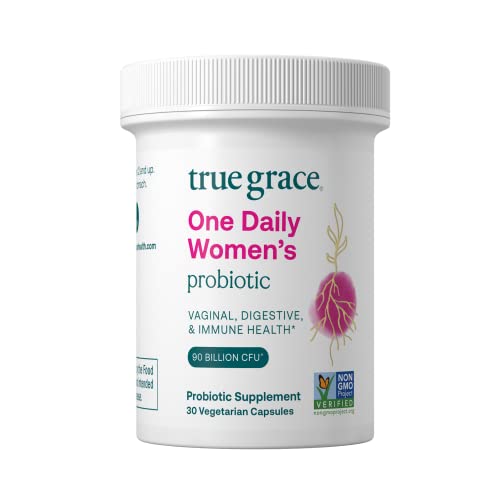


True Grace One Daily Women’s Probiotic - Supports Digestive, Vaginal & Immune Health - 30 Veg Caps


Magnesium Stearate
Low RiskMagnesium stearate is a magnesium salt of stearic acid, commonly used as a lubricant and anti-caking agent in pharmaceuticals and cosmetic products. It helps in the manufacturing process by preventing ingredients from clumping together and ensuring even distribution in formulations.
Sustai Insights
Magnesium stearate is recognized for its functional benefits as a lubricant and anti-caking agent, enhancing product stability. It is considered low risk regarding health concerns, including carcinogenicity and allergenic potential, with no significant environmental hazards reported. Regulatory bodies, including the FDA, have not imposed major restrictions, supporting its safe use in various applications. Recommended usage levels are typically low, maintaining safety in formulations. Overall, the ingredient is assessed as low risk, with no significant adverse health or environmental impacts identified.
Starch
Low RiskStarch is a carbohydrate commonly derived from sources such as corn, wheat, or potatoes. It serves primarily as a thickening agent, stabilizer, or emulsifier in various food and cosmetic products, contributing to texture and consistency without imparting strong flavors or colors.
Sustai Insights
Starch offers functional benefits like effective thickening and stabilizing in formulations. It is considered low risk for health concerns, with minimal allergenic potential and no known carcinogenic effects. Environmentally, starch is biodegradable and typically sustainably sourced. Regulatory bodies, including the FDA, have not imposed significant restrictions. Overall, the risk associated with starch is low, and it is suitable for various applications, with no major health or environmental concerns noted.
Ascorbic Acid (Vitamin C)
Low RiskAscorbic acid (Vitamin C) is a naturally occurring antioxidant essential for various biological functions, including collagen synthesis and immune response. It is commonly used in cosmetic and food products for its preservative properties and ability to enhance skin brightness.
Sustai Insights
Ascorbic acid provides functional benefits as an effective antioxidant and preservative, contributing to skin health and product stability. It is generally recognized as safe with low health risks, including minimal concerns for carcinogenicity and allergies. Environmentally, it poses low risks, as it is biodegradable and does not bioaccumulate. Regulatory bodies like the FDA have not imposed significant restrictions on its use. Overall, the ingredient presents a low risk, with safe usage practices ensuring consumer safety, and alternatives such as natural extracts exist for those seeking different formulations.
Gellan Gum
Low RiskGellan gum is a high molecular weight heteropolysaccharide produced by the fermentation of the bacterium Sphingomonas elodea. It is commonly used as a gelling agent, thickener, and stabilizer in various food and cosmetic products due to its ability to form gels in the presence of cations.
Sustai Insights
Gellan gum serves as an effective thickening and gelling agent, finding widespread use in food and cosmetic formulations. It is considered low risk for health concerns, showing minimal potential for carcinogenicity, allergies, or reproductive toxicity. Environmentally, it poses low pollutant potential and bioaccumulation risk. Regulatory bodies like the FDA and EU deem it safe for consumption and use, with no significant restrictions noted. Overall, gellan gum is a low-risk ingredient with no significant health or environmental concerns, making it a suitable choice in formulations.
Hydroxymethylcellulose
Low RiskHydroxymethylcellulose is a synthetic polymer derived from cellulose, primarily used as a thickening agent, emulsifier, and film-forming agent in various personal care and cosmetic products. It enhances texture, stability, and moisture retention, making it suitable for use in creams, lotions, and gels.
Sustai Insights
Hydroxymethylcellulose serves effectively as a thickener and stabilizer, contributing to product texture and moisture retention. It is considered low risk for health concerns such as carcinogenicity, allergies, and reproductive toxicity. Environmentally, it is not classified as a pollutant or bioaccumulative, aligning with regulatory standards in multiple regions. Overall, its risk level is assessed as low, with no significant adverse effects reported. Safe usage practices should be followed, and while alternatives exist, hydroxymethylcellulose remains a suitable choice in formulations.
Overview
Experience the power of True Grace One Daily Women’s Probiotic, designed for those seeking optimal digestive, vaginal, and immune health. This unique formula combines 12 DNA-verified probiotic strains tailored for women’s wellness, all in a vegetarian capsule that is organic, gluten-free, dairy-free, and soy-free.
- Balanced Microbiome Support: Contains L. rhamnosus Rosell to help restore healthy bacteria levels in the vaginal microbiome, promoting overall balance.
- Transparency You Can Trust: Each strain's benefits and exact doses are clearly listed, backed by DNA testing for your peace of mind.
- Enhanced Survival Rate: Patented vegetarian DR caps protect probiotics from stomach acid, ensuring they reach the intestinal tract for maximum effectiveness.
- Sustainably Sourced: True Grace is certified Carbon Neutral, committed to reducing environmental impact while delivering nutrient-dense supplements.
- Easy Daily Use: Simply take one capsule daily with water for optimal absorption, integrating seamlessly into your health routine.
Customer Reviews
Customers’ View
AI summaryCustomers appreciate the effectiveness and eco-friendly nature of True Grace One Daily Women’s Probiotic. Many users report improved energy levels and noticeable changes in digestive health, including reduced bloating and enhanced regularity. One customer noted, "This is my new go-to probiotic," reflecting a common sentiment of satisfaction with its benefits. Additionally, the product's commitment to sustainability resonates with consumers, who value its carbon-neutral certification and environmentally responsible practices. Overall, customers find this probiotic aligns well with their health-conscious lifestyles, supporting both personal well-being and ecological sustainability.
This product is rated 4.4 of 5.0 stars.
It has received 15 reviews.